
Electrical Safety, Arc Flash & NFPA 70E Services
Electrical hazards can expose employees to arc flash burns, electrical shock, electrocution, equipment damage, operational downtime, and OSHA citations. Employers with energized electrical equipment, maintenance operations, troubleshooting tasks, industrial machinery, or electrical distribution systems need clear procedures that help employees recognize hazards and perform work safely.
Weinstein Safety Consulting, LLC provides practical electrical safety consulting, arc flash hazard assessments, NFPA 70E program development, and workplace electrical safety training. Services are customized around your facility, equipment, employee responsibilities, and existing work practices so that the resulting program is relevant, understandable, and usable in day-to-day operations.
Our approach connects electrical safety requirements with broader workplace risk management. When electrical hazards overlap with equipment servicing, energized troubleshooting, contractor activities, or maintenance work, we can also help integrate written safety program development , workplace safety consulting , and employee training into one practical compliance strategy.
Control Electrical Risk Before Work Begins
Electrical incidents often occur when hazards are not fully identified, employees are unclear about energized work restrictions, protective equipment is not properly selected, or Lockout/Tagout procedures do not address the actual equipment being serviced. A structured electrical safety program helps employers establish consistent expectations before employees approach, troubleshoot, inspect, maintain, or repair electrical systems.
Effective electrical safety planning should address both shock and arc flash exposure. It should also define responsibilities for qualified and unqualified workers, identify when an electrical safe work condition must be established, explain PPE requirements, and provide employees with training that reflects the work they actually perform.
Arc Flash Exposure
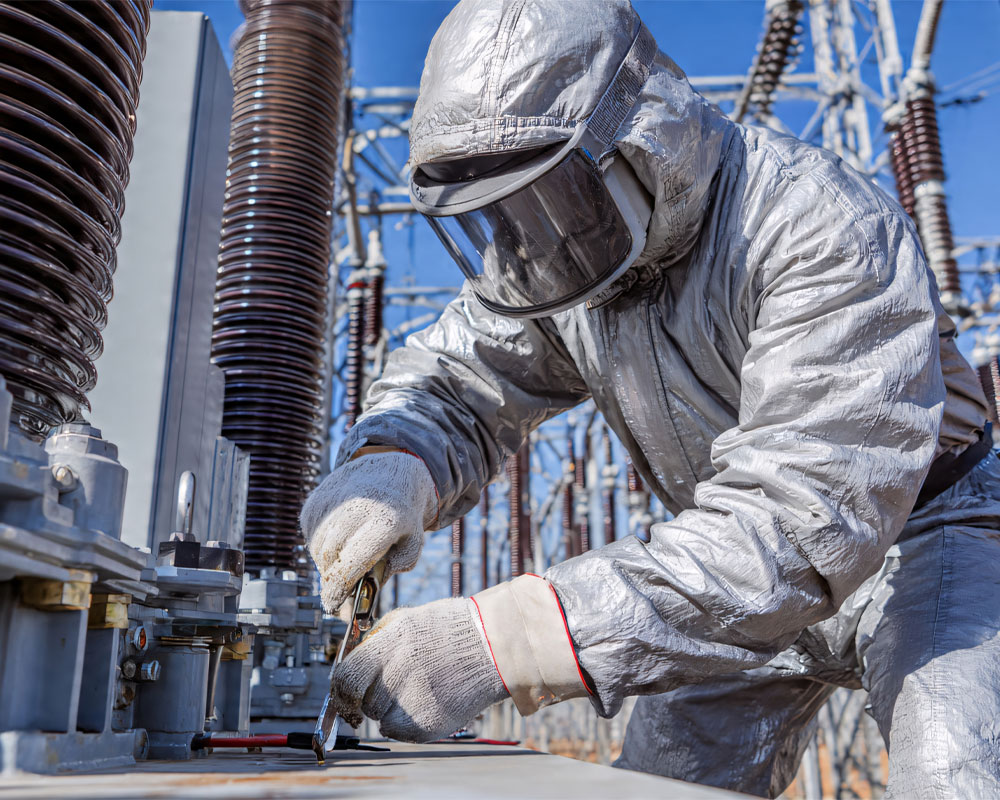
Identify tasks and equipment that may expose workers to intense heat, pressure, molten metal, and other arc flash effects.
Electrical Shock Hazards
Evaluate contact risks, approach boundaries, energized parts, and work practices that may expose employees to electric shock.
Unsafe Energized Work
Clarify when equipment should be de-energized and when additional controls, permits, PPE, or management authorization may be needed.
Incomplete Documentation
Strengthen written procedures, training records, equipment information, and electrical safety responsibilities.

Arc Flash & Electrical Hazard Assessments
Electrical safety improvements begin with understanding where employees may encounter energized conductors, circuit parts, or equipment capable of producing an arc flash event. We conduct structured electrical hazard assessments that review equipment, employee tasks, maintenance activities, troubleshooting practices, labeling, PPE use, and existing procedures.
The assessment helps employers identify electrical shock and arc flash exposure risks, evaluate whether employees understand applicable boundaries, and determine whether current practices align with OSHA expectations and NFPA 70E guidance. Findings can then be used to prioritize corrective actions, improve employee instruction, and strengthen written procedures.
- Review electrical equipment and energized work activities
- Identify arc flash and electrical shock exposure risks
- Evaluate labeling practices and employee label awareness
- Review arc-rated clothing and electrical PPE selection
- Assess energized troubleshooting and maintenance procedures
- Integrate electrical safety with Lockout/Tagout requirements
From Hazard Identification to Safer Work Practices
Electrical safety consulting should lead to clear, workable improvements. Our process is designed to help management understand the current risk, establish practical procedures, and give employees the knowledge needed to carry out their responsibilities safely.
Assess
Review equipment, employee tasks, electrical hazards, work procedures, PPE, documentation, and training practices.
Develop
Create or update practical NFPA 70E-aligned procedures around energized work, safe work conditions, boundaries, and PPE.
Train
Deliver workplace-specific electrical safety instruction for employees, supervisors, maintenance teams, and contractors.
NFPA 70E Electrical Safety Program Development
Employers whose employees work on or near energized equipment need written procedures that clearly explain how electrical hazards will be controlled. We develop and update customized electrical safety programs based on the employer’s equipment, maintenance activities, employee roles, and exposure potential.
Rather than relying on a generic template, the program can be structured around the tasks employees perform and the decisions supervisors must make before electrical work begins. This improves consistency, supports employee training, and gives management a more defensible framework for addressing electrical hazards.
Program Elements May Include

Electrical Safety and Lockout/Tagout Integration
Electrical safety and Lockout/Tagout frequently overlap during maintenance, repair, inspection, setup, and troubleshooting. Employees need to understand when electrical equipment must be placed in an electrically safe work condition and how hazardous energy controls apply before servicing begins.
We help employers review how electrical procedures interact with their broader hazardous energy control program. This may include clarifying shutdown steps, isolation points, verification of de-energization, absence-of-voltage testing, employee responsibilities, and the documentation used during equipment servicing.
Employers that need broader written policy assistance can combine electrical safety support with our customized safety program development services .

Electrical Safety & Arc Flash Training
Electrical safety training should help employees understand the hazards they may encounter and the controls they are expected to use. Weinstein Safety Consulting provides instructor-led training that can be adapted to the employer’s electrical systems, work practices, employee responsibilities, and existing safety procedures.
Training may cover electrical hazard recognition, arc flash and shock risks, approach boundaries, label interpretation, energized work restrictions, arc-rated PPE, Lockout/Tagout coordination, electrical safe work conditions, and safe troubleshooting practices.
Courses can be delivered on-site for qualified workers, unqualified workers, maintenance personnel, supervisors, managers, and contractors. Visit the workplace safety training page to review additional employee training options.
Build a More Complete Compliance Program
Electrical hazards are often connected to broader workplace safety, employee training, contractor requirements, and OSHA compliance needs. These related services can be combined with electrical safety consulting when your organization needs more comprehensive support.
Electrical Safety & NFPA 70E FAQs
What is NFPA 70E and how does it relate to OSHA?
NFPA 70E provides detailed workplace electrical safety guidance related to shock hazards, arc flash exposure, approach boundaries, protective equipment, energized work, and safe work practices. OSHA regulations establish employer obligations for protecting workers from electrical hazards, while NFPA 70E provides a widely recognized framework employers can use when developing practical electrical safety procedures.
When is arc flash or electrical safety training needed?
Training is important when employees work on, near, or around electrical equipment that may expose them to shock or arc flash hazards. This may include electricians, maintenance personnel, technicians, supervisors, contractors, and unqualified employees who work near electrical equipment. Training should reflect each employee’s responsibilities and expected level of exposure.
What is an electrical safe work condition?
An electrical safe work condition is established by disconnecting electrical energy sources, applying appropriate Lockout/Tagout controls, verifying isolation, and testing for absence of voltage before work begins. The process helps reduce the risk of electric shock and arc flash while employees perform maintenance or servicing activities.
What does an electrical hazard assessment review?
An assessment may review electrical equipment, employee tasks, energized troubleshooting, maintenance procedures, labeling, approach boundaries, PPE, Lockout/Tagout coordination, written programs, and employee training. The purpose is to identify exposure risks and determine where procedures or controls should be improved.
Who needs arc-rated clothing and electrical PPE?
PPE requirements depend on the electrical hazard, task, equipment, exposure level, and controls in place. Employees who may be exposed to arc flash or shock hazards may need arc-rated clothing, insulating equipment, face protection, gloves, or other protective equipment selected for the work being performed.
How often should an electrical safety program be reviewed?
Employers should review their program periodically and whenever equipment, employee responsibilities, work processes, facility conditions, or applicable safety requirements change. Incidents, near misses, inspection findings, and employee concerns may also indicate that procedures need to be updated.
Can electrical safety training be customized for our facility?
Yes. Training can be tailored to your equipment, electrical systems, maintenance activities, employee roles, procedures, and identified hazards. Facility-specific instruction helps employees connect safety requirements to the work they perform every day.
What are the risks of not having an electrical safety program?
An incomplete electrical safety program can contribute to employee injuries, inconsistent energized work practices, incorrect PPE use, equipment damage, operational downtime, OSHA citations, and increased liability. A structured program provides management and employees with clear expectations for controlling electrical hazards.
Additional general safety questions are available on the workplace safety FAQ page , and supporting articles and materials can be found in the safety resources section .
Need Electrical Safety or NFPA 70E Support?
Schedule a consultation to discuss arc flash exposure, electrical hazard assessments, employee training, written procedures, PPE requirements, or Lockout/Tagout integration for your workplace.