
OSHA Compliance & Inspection Support
OSHA compliance requires more than keeping policies in a binder. Employers must maintain accurate records, provide required employee training, implement effective hazard controls, and demonstrate that written procedures are being followed throughout daily operations.
Weinstein Safety Consulting, LLC provides OSHA compliance consulting and inspection support for construction companies, warehouses, manufacturers, municipalities, industrial facilities, skilled trades, and growing employers throughout Greater Phoenix, Arizona’s West Valley, and Michigan.
Whether your company is preparing for an OSHA inspection, responding to an employee complaint, reviewing potential compliance gaps, or addressing a citation, we provide practical guidance focused on documentation, hazard correction, employee training, and sustainable compliance. Employers can also combine inspection support with workplace safety consulting , customized safety program development , and on-site safety training .
Why Proactive OSHA Compliance Matters
OSHA inspections can be triggered by employee complaints, reported incidents, referrals, programmed inspections, or recognized hazards. When an inspection begins, employers may be asked to provide written safety programs, OSHA logs, training records, inspection documentation, employee certifications, and evidence that known hazards have been corrected.
A proactive compliance review gives management an opportunity to identify weaknesses before they become inspection findings. It also helps ensure that employees understand workplace procedures, supervisors know their responsibilities, and required records can be located and explained without unnecessary delay.
Unrecognized Compliance Gaps
Identify missing programs, incomplete procedures, and inconsistent workplace practices before they become inspection findings.
Incomplete OSHA Records
Review injury and illness logs, reporting procedures, and supporting documentation for accuracy and completeness.
Insufficient Employee Training
Confirm that employees receive instruction appropriate to their hazards, job responsibilities, and applicable OSHA standards.
Unresolved Workplace Hazards
Develop practical corrective actions for unsafe conditions, work practices, equipment, and documentation deficiencies.

OSHA Compliance and Documentation Review
A structured OSHA compliance review examines the relationship between written programs, employee training, workplace conditions, hazard controls, and required records. The purpose is to determine whether safety documentation accurately reflects what employees and supervisors are expected to do.
We review available policies, records, training documentation, inspection forms, incident information, and work practices to identify gaps that may require correction. Findings can be organized into a prioritized action plan so management can address higher-risk concerns first.
- Review written OSHA safety programs and procedures
- Evaluate employee training records and certifications
- Review OSHA injury and illness recordkeeping practices
- Identify missing documentation and implementation gaps
- Determine which OSHA standards may apply to operations
- Develop prioritized corrective action recommendations
Identify Gaps, Organize Records & Correct Hazards
Effective OSHA compliance support connects documentation with actual workplace implementation. These three areas help employers prepare for inspection activity and maintain a more defensible safety system.
Identify Compliance Gaps
Find missing procedures, outdated policies, incomplete training, and workplace hazards before they lead to citations or operational disruption.
Improve Documentation Readiness
Organize written programs, OSHA logs, employee records, inspection forms, and supporting materials for efficient review.
Implement Corrective Action
Turn observations and inspection findings into practical steps that can be assigned, documented, completed, and sustained.
What OSHA Compliance Support Includes
Every employer has different hazards, documentation systems, and operational concerns. OSHA compliance services can be focused on one immediate issue or structured as a broader review of the employer’s safety management system.
Compliance Services May Include
Mock OSHA Inspections and Workplace Assessments
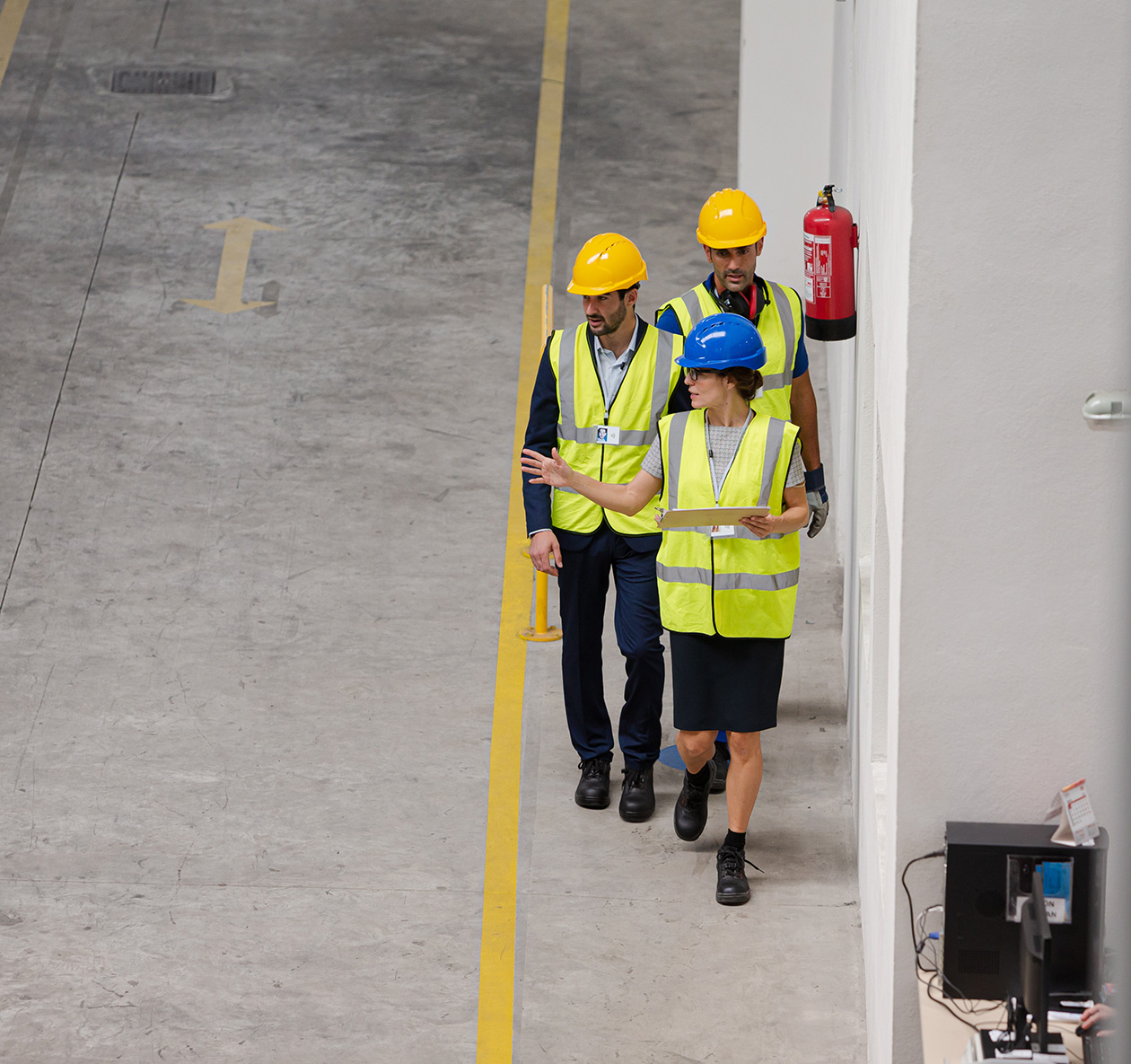
A mock OSHA inspection gives management an opportunity to view the workplace through the same general lens an inspector may use. The review can include a facility walk-through, observation of employee work practices, examination of equipment and hazard controls, and evaluation of required documentation.
Findings are used to identify areas where policies, training, records, or workplace conditions may need attention. A mock inspection does not guarantee that an employer will avoid citations, but it can reveal preventable weaknesses and help management prepare a more organized response if an inspection occurs.
- Review entrances, work areas, equipment, and employee activities
- Evaluate visible hazards and existing control measures
- Review required records and written safety programs
- Assess employee and supervisor understanding of procedures
- Identify documentation that should be readily accessible
- Create a prioritized inspection-readiness action plan
What Employers May Encounter During an OSHA Inspection
The exact scope of an OSHA inspection depends on why the inspection was initiated and what the compliance officer observes. Employers may be asked to participate in an opening conference, provide requested records, accompany the inspector during a walk-through, support employee interviews, and attend a closing conference.
Management should know who will serve as the primary company representative, where required records are stored, how employee interviews will be handled, and how photographs, observations, and document requests will be tracked during the inspection.
Opening Conference
The inspector may explain the purpose and anticipated scope of the inspection and request an employer representative.
Document Review
OSHA logs, written programs, training records, inspection forms, and other compliance materials may be requested.
Workplace Walk-Through
The compliance officer may observe work areas, equipment, employee activities, hazard controls, and general workplace conditions.
Employee Interviews
Employees and supervisors may be asked about job tasks, safety procedures, training, incidents, and recognized workplace hazards.

OSHA Citation and Corrective Action Support
Receiving an OSHA citation can create uncertainty about required corrections, documentation, employee training, and future compliance. Employers should carefully review each alleged violation, understand the cited condition, and determine which corrective measures are necessary.
Weinstein Safety Consulting can assist with reviewing citation language, evaluating workplace conditions, organizing supporting documentation, and developing practical corrective actions. This may include updating written safety programs, revising work procedures, correcting physical hazards, strengthening documentation, and delivering additional employee training.
When citations identify missing or incomplete policies, employers can also use our safety program development services to create or revise workplace-specific procedures.
OSHA Recordkeeping and Documentation Readiness
OSHA injury and illness records may receive close attention during an inspection. Employers should ensure that recordable cases are evaluated consistently, required forms are completed accurately, annual summaries are prepared when applicable, and supporting incident documentation is organized.
A recordkeeping review can identify incomplete entries, inconsistent case descriptions, missing dates, reporting gaps, and discrepancies between OSHA logs and internal incident records. Accurate documentation helps employers respond more confidently to requests and maintain a clearer compliance history.
Recordkeeping Support May Address
Corrective Action Planning and Follow-Through
Identifying a compliance gap is only the beginning. Employers must assign responsibility, establish completion dates, document corrective steps, verify that hazards have been addressed, and determine whether written programs or training should also be updated.
We help management convert observations, mock inspection findings, and citation concerns into practical action items. Corrective action support can also include follow-up reviews to determine whether improvements have been implemented consistently and whether additional adjustments are needed.
- Prioritize corrective actions based on hazard and compliance risk
- Assign management, supervisor, and employee responsibilities
- Establish realistic target dates and completion documentation
- Update written programs, forms, and employee procedures
- Provide training when findings involve employee knowledge or behavior
- Conduct follow-up reviews to evaluate sustained implementation
OSHA Consulting for Construction and Industry
OSHA compliance consulting is available for employers whose operations involve physical hazards, equipment, chemicals, material handling, maintenance, electrical work, construction activities, or other regulated exposures. Each review is adapted to the employer’s workplace, workforce, and industry.
OSHA Compliance Consulting in Phoenix and the West Valley
Weinstein Safety Consulting provides OSHA compliance and inspection support throughout Greater Phoenix and Arizona’s West Valley, including Goodyear, Avondale, Buckeye, Glendale, Peoria, and nearby communities. Services are also available for employers in Michigan, depending on project scope and scheduling.
To discuss inspection preparation, documentation concerns, citations, mock inspections, or corrective action needs, visit the contact page to request an OSHA compliance consultation .
Strengthen the Systems Behind OSHA Compliance
Inspection findings often involve written programs, employee training, contractor requirements, and workplace hazards. These related services can be combined with OSHA compliance support.
OSHA Compliance & Inspection FAQs
What happens during an OSHA inspection?
An OSHA inspection may include an opening conference, document requests, a workplace walk-through, employee interviews, review of safety programs and records, and a closing conference. The scope depends on why the inspection was initiated and what the compliance officer observes.
Can you help our company prepare for an OSHA inspection?
Yes. Preparation may include reviewing written programs, OSHA logs, employee training records, workplace conditions, inspection procedures, and supporting documentation. A mock inspection can help identify gaps before regulatory activity occurs.
Do you provide mock OSHA inspections?
Yes. A mock OSHA inspection can include a workplace walk-through, hazard observations, document review, evaluation of employee work practices, and development of corrective action recommendations.
Can you help after we receive an OSHA citation?
Yes. Citation support can include reviewing alleged violations, evaluating workplace conditions, identifying required corrections, updating written procedures, organizing documentation, and developing a practical corrective action strategy.
How do we know whether our company is OSHA compliant?
Compliance depends on alignment between applicable standards, workplace conditions, written programs, employee training, documentation, and actual work practices. A structured compliance assessment can identify areas that need improvement.
What OSHA records should employers maintain?
Requirements vary by employer, but records may include OSHA 300-series forms, written safety programs, training documentation, inspection records, equipment evaluations, exposure information, permits, certifications, and corrective action records.
Can OSHA compliance support include employee training?
Yes. When compliance reviews identify missing, outdated, or insufficient training, customized instruction can be provided for affected employees, supervisors, managers, or contractors.
Which businesses benefit from OSHA compliance consulting?
Construction companies, warehouses, manufacturers, industrial employers, municipalities, skilled trades, and expanding businesses can benefit when they need inspection preparation, documentation review, hazard evaluation, or corrective action support.
Visit the workplace safety FAQ page for additional information, or review the safety resources section for practical compliance guidance.
Need OSHA Compliance or Inspection Support?
Schedule a consultation to discuss OSHA inspection preparation, workplace compliance gaps, recordkeeping, citations, written programs, employee training, or corrective action planning.