
OSHA Compliance Checklist for Arizona Businesses:
What You Need to Know in 2026
Key Takeaways
- Arizona businesses must comply with updated OSHA regulations for hazard communication and PPE in 2026
- Occupational safety standards reduce workplace injuries, boosting productivity and lowering insurance costs.
- Recent OSHA updates include changes in training requirements and inspection protocols for Arizona businesses.
- Businesses must maintain comprehensive safety documentation and conduct regular audits for compliance.
- OSHA training programs like OSHA 10 Hour and CPR certification are mandatory for Arizona businesses.
- W Safety Consulting offers customized training solutions to meet specific industry needs in Arizona.
- Preparing for OSHA inspections involves on-site evaluations and developing tailored safety programs.
- Regular hazard assessments and ongoing safety consulting help avoid penalties and enforcement actions.
OSHA Compliance Checklist for Arizona Businesses in 2026: Essential Safety Requirements and Training
As Arizona businesses prepare for 2026, understanding OSHA compliance is crucial for maintaining workplace safety and avoiding penalties. This article provides a comprehensive checklist of essential safety requirements and training programs that businesses must adhere to in order to comply with OSHA regulations. Readers will learn about key regulations, the impact of occupational safety standards, recent updates, and specific requirements that must be met. The importance of proper documentation and training will also be highlighted, along with practical steps for preparing for OSHA inspections. By following this guide, businesses can ensure they are well-equipped to meet safety standards and protect their employees.
What Are the Key Arizona OSHA Regulations for 2026?
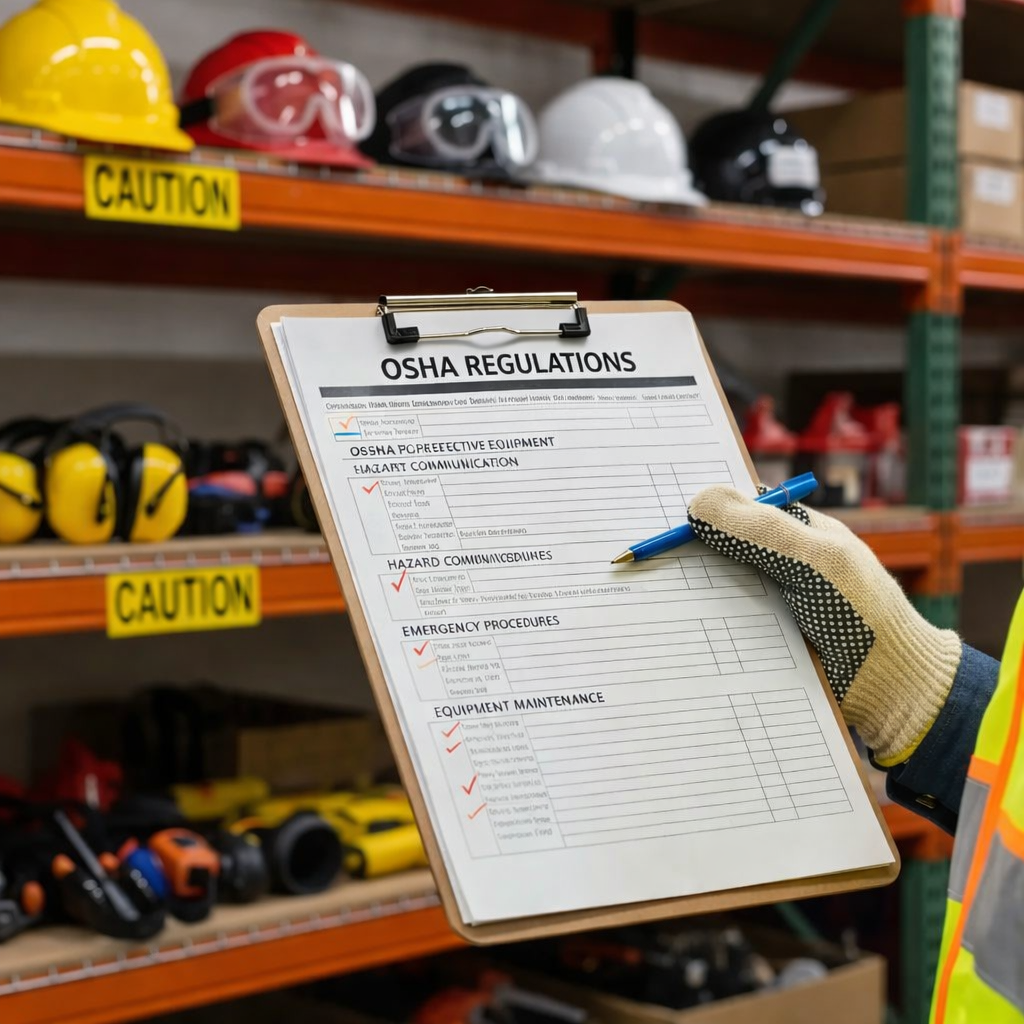
In 2026, Arizona businesses must comply with several key OSHA regulations designed to enhance workplace safety. These regulations include updated standards for hazard communication, personal protective equipment (PPE), and recordkeeping requirements. Compliance with these regulations not only ensures the safety of employees but also protects businesses from potential legal liabilities. Understanding these regulations is essential for creating a safe work environment and fostering a culture of safety within the organization.
W Safety Consulting specializes in providing expert guidance and training services to help Arizona businesses navigate these regulations effectively. Their services include tailored compliance consulting and training programs that address specific industry needs.
How Do Arizona Occupational Safety Standards Impact Businesses?
Arizona’s occupational safety standards significantly impact business operations by mandating the implementation of structured safety programs. These standards are designed to reduce workplace injuries and illnesses, which can lead to increased productivity and lower insurance costs. Non-compliance with these standards can result in severe regulatory consequences, including fines and legal action.
By adhering to these standards, businesses not only protect their employees but also enhance their reputation and operational efficiency. This proactive approach to safety management can lead to a more engaged workforce and a positive workplace culture.
What Recent Updates Should Arizona Businesses Know?
Recent updates to OSHA regulations include changes in training requirements and inspection protocols. Arizona businesses should be aware of the new compliance support initiatives introduced by OSHA, which aim to assist organizations in meeting safety standards. Additionally, updates to training programs emphasize the importance of ongoing education and awareness in maintaining workplace safety.
W Safety Consulting offers resources and support to help businesses stay informed about these updates and implement necessary changes to their safety programs.
Which Workplace Safety Requirements Must Arizona Businesses Meet?
Arizona businesses must meet several specific workplace safety requirements to ensure compliance with OSHA regulations. These requirements include:
- Written Safety Documentation: Businesses are required to maintain comprehensive safety documentation that outlines safety policies and procedures.
- Training Requirements: Employers must provide safety training to employees, ensuring they understand the hazards associated with their jobs and how to mitigate them.
- Regulatory Compliance: Regular audits and assessments must be conducted to ensure ongoing compliance with safety regulations.
These requirements are essential for creating a safe work environment and minimizing the risk of accidents and injuries.
What Items Are Included in the Arizona Workplace Hazard Assessment Checklist?
The Arizona Workplace Hazard Assessment Checklist includes several critical items that businesses must evaluate to identify potential hazards. Key components of the checklist are:
- Identification of Hazards: Assessing the workplace for physical, chemical, and biological hazards.
- Corrective Actions: Implementing measures to eliminate or control identified hazards.
- Importance of Assessments: Regular assessments are crucial for maintaining a safe work environment and ensuring compliance with OSHA regulations.
By utilizing this checklist, businesses can proactively address safety concerns and enhance their overall safety management practices.
How Can Businesses Ensure Compliance with Safety Documentation?
To ensure compliance with safety documentation, businesses should take the following steps:
- Develop Written Safety Programs: Create comprehensive safety programs that outline policies, procedures, and responsibilities.
- Conduct Regular Evaluations: Regularly review and update safety documentation to reflect current practices and regulations.
- Maintain Accurate Documentation: Keep detailed records of safety training, hazard assessments, and incident reports to demonstrate compliance.
These steps are essential for maintaining a robust safety program and ensuring that all employees are aware of safety protocols.
What OSHA Training Programs Are Required for Arizona Businesses?
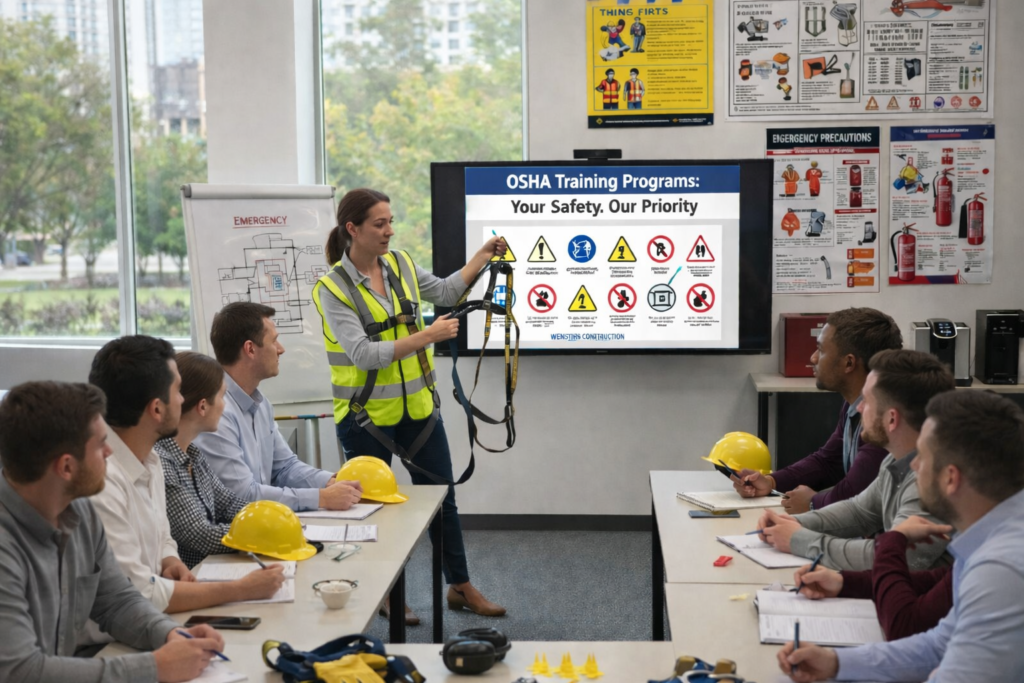
Arizona businesses are required to provide several OSHA training programs to ensure employee safety. Key training programs include:
- OSHA 10-Hour and 30-Hour Training: These programs cover essential safety topics and are designed for workers and supervisors, respectively.
- Forklift Certification: Employees operating forklifts must complete a certification program to ensure safe operation.
- CPR / First Aid / AED Certification: Training in CPR and first aid is crucial for responding to medical emergencies in the workplace.
These training programs are vital for equipping employees with the knowledge and skills necessary to maintain a safe work environment.
Which Customized Training Solutions Does W Safety Consulting Provide?
W Safety Consulting offers a range of customized training solutions tailored to the specific needs of Arizona businesses. Their services include:
- Comprehensive Safety Training Programs: These programs cover a wide array of safety topics relevant to various industries.
- Interactive Training Sessions: Engaging training sessions that promote active participation and enhance learning outcomes.
- Accident Investigation Strategies: Training on how to effectively investigate workplace accidents to prevent future occurrences.
By partnering with W Safety Consulting, businesses can ensure their employees receive the most relevant and effective training available.
How Do Training Programs Reduce Compliance Risks?
Training programs play a crucial role in reducing compliance risks by enhancing employee understanding of safety protocols. Effective training promotes active participation and ensures that employees are well-informed about potential hazards and the necessary precautions to take. This proactive approach to safety not only minimizes the risk of accidents but also fosters a culture of safety within the organization.
Moreover, well-trained employees are more likely to adhere to safety regulations, reducing the likelihood of non-compliance and associated penalties.
Indeed, studies consistently highlight the significant positive correlation between robust OSHA training and improved workplace safety metrics.
OSHA Safety Training Impact on Workplace Compliance & Injury Reduction
This study addresses the gap between mandated OSHA aligned safety training and measurable safety outcomes in high exposure enterprise workplaces, where injuries and near misses persist despite formal programs. The purpose was to quantify how OSHA training exposure and perceived quality relate to safety compliance and injury reduction indicators, and to test whether compliance is the pathway through which training improves outcomes.
A Meta-Analysis of OSHA Safety Training Programs and their Impact on Injury Reduction and Safety Compliance in US Workplaces, J Shekh, 2024
How Should Arizona Businesses Prepare for OSHA Inspections in 2026?
Preparing for OSHA inspections requires a systematic approach to ensure compliance and readiness. Arizona businesses should take the following steps:
- Conduct On-Site Evaluations: Regularly assess the workplace to identify potential safety issues and address them proactively.
- Develop Customized Safety Programs: Tailor safety programs to meet the specific needs of the organization and its employees.
- Mock Inspections: Conduct mock inspections to familiarize employees with the inspection process and identify areas for improvement.
These preparation steps are essential for ensuring a smooth inspection process and demonstrating a commitment to workplace safety.
What Are the Step-by-Step Inspection Preparation Procedures?
To prepare for an OSHA inspection, businesses should follow these step-by-step procedures:
- Evaluation of Current Safety Programs: Review existing safety programs to ensure they meet current regulations and best practices.
- Documentation Readiness: Ensure all safety documentation is up-to-date and readily accessible for review during the inspection.
- Corrective Action Planning: Develop a plan to address any identified deficiencies in safety practices or documentation.
By following these procedures, businesses can enhance their readiness for OSHA inspections and demonstrate their commitment to compliance.
How Can Penalties and Enforcement Be Avoided?
To avoid penalties and enforcement actions, businesses should focus on developing comprehensive safety programs that address potential hazards. Key strategies include:
- Customized Safety Program Development: Tailor safety programs to the specific needs of the organization and its employees.
- Thorough Hazard Assessments: Conduct regular hazard assessments to identify and mitigate risks in the workplace.
- Ongoing Safety Consulting: Engage with safety consultants to ensure compliance with evolving regulations and best practices.
By implementing these strategies, businesses can significantly reduce the risk of penalties and foster a culture of safety within their organization.