
HAZWOPER Training: OSHA Compliance and Professional Instruction
A practical guide to HAZWOPER classifications, training tiers, annual refresher requirements, hands-on instruction, and the employer responsibilities that extend beyond a training certificate.
HAZWOPER is one of the most misunderstood OSHA standards in the country. Employers know the acronym and understand that it involves hazardous substances. What they often do not know is exactly who on their crew needs it, at what training level, and what happens when the paperwork does not hold up during an inspection.
The confusion can be expensive. Misclassifying a 24-hour worker who should have completed 40-hour training, allowing annual refreshers to lapse, or accepting an online-only certificate for work that requires hands-on instruction can quickly turn a routine OSHA visit into serious violations.
In Arizona’s growing environmental services, manufacturing, construction, and warehousing sectors, and throughout Michigan’s industrial and remediation markets, HAZWOPER exposure is broader than many operators realize.
This guide explains 29 CFR 1910.120 in practical terms: who is covered, how the principal training tiers differ, what a defensible curriculum includes, and which employer obligations remain after the training card is issued.
What HAZWOPER Actually Is
HAZWOPER stands for Hazardous Waste Operations and Emergency Response. The standard is found at 29 CFR 1910.120 and applies to several categories of hazardous-substance work and emergency-response activity.
Hazardous Waste Site Cleanup
Cleanup operations at hazardous waste sites, including EPA Superfund sites, state corrective-action sites, and RCRA corrective-action work.
Government-Recognized Voluntary Cleanup
Voluntary cleanup operations at sites recognized by federal, state, or local government agencies as hazardous.
Treatment, Storage, and Disposal Facilities
Operations at Treatment, Storage, and Disposal facilities regulated under the Resource Conservation and Recovery Act.
Emergency Response Operations
Emergency response to releases, or substantial threats of releases, of hazardous substances regardless of where the incident occurs.
The emergency-response category is where many employers are caught off guard. HAZWOPER is not limited to hazardous-waste cleanup contractors. An operation that could reasonably experience an uncontrolled hazardous-substance release may be covered by the emergency-response provisions.
That can include an industrial plant with bulk chemical storage, a utility operation, an environmental services contractor, or a warehouse storing large quantities of lithium batteries or other hazardous materials.
Who Needs HAZWOPER Training?
OSHA separates HAZWOPER-covered employees into several populations based on their work, anticipated exposure, and actions during an emergency. Job title alone is not a reliable way to determine the correct level.
General Site Workers
Employees who work full-time or regularly at a hazardous-waste cleanup site and who are exposed, or can reasonably be expected to be exposed, to hazardous substances above permissible exposure limits, or who must wear respirators.
Typically the 40-Hour TierOccasional Site Workers
Employees who enter a site only occasionally to perform a specific, limited task, such as groundwater monitoring, surveying, or geophysical work, and who are unlikely to be exposed above permissible exposure limits.
Typically the 24-Hour TierEmergency Responders
Workers expected to respond to hazardous-substance releases as part of their assigned duties, from employees who recognize a release and initiate the notification process to technicians who enter the danger area to stop it.
Level Depends on Response DutiesA Phoenix warehouse employee who is instructed only to recognize a release, move to safety, and call the emergency response team does not need the same training as a responder who dons protective equipment and attempts to contain or stop the release.
The HAZWOPER Training Tiers
Each HAZWOPER classification is connected to an initial training requirement, field experience or demonstrated competency where applicable, and recurring refresher obligations.
| Training Level | Initial Requirement | Who It Applies To | Ongoing Requirement |
|---|---|---|---|
| General Site Worker | 40 hours plus three days of supervised field experience | Employees regularly working on hazardous-waste remediation, cleanup, or corrective-action sites | Eight-hour refresher annually |
| Occasional Site Worker | 24 hours plus one day of supervised field experience | Employees occasionally performing limited tasks with low anticipated exposure | Eight-hour refresher annually |
| Site Supervisor | Applicable 40-hour training plus eight additional hours of supervisor instruction | Managers, supervisors, and foremen responsible for hazardous-site operations | Eight-hour refresher annually |
| First Responder Awareness | Sufficient training or verified experience to demonstrate competency | Employees who may witness or discover a release and initiate the emergency-response sequence | Annual demonstration of competency |
| First Responder Operations | At least eight hours plus Awareness-level competency | Employees who respond defensively to protect people, property, and the environment | Eight-hour refresher annually |
| Technician or Specialist | At least 24 hours plus Operations-level competency and role-specific instruction | Responders who take aggressive action to approach and stop a hazardous-substance release | Annual refresher and competency maintenance |
Classification must be based on actual duties and anticipated exposure. An employer should not select the 24-hour tier simply because it costs less or can be completed faster. The assigned work must support the classification.
What a Properly Structured HAZWOPER Program Covers
A training certificate is only as defensible as the curriculum, field instruction, and employer program behind it. The depth of each topic should be appropriate to the employee’s assigned role and anticipated exposure.
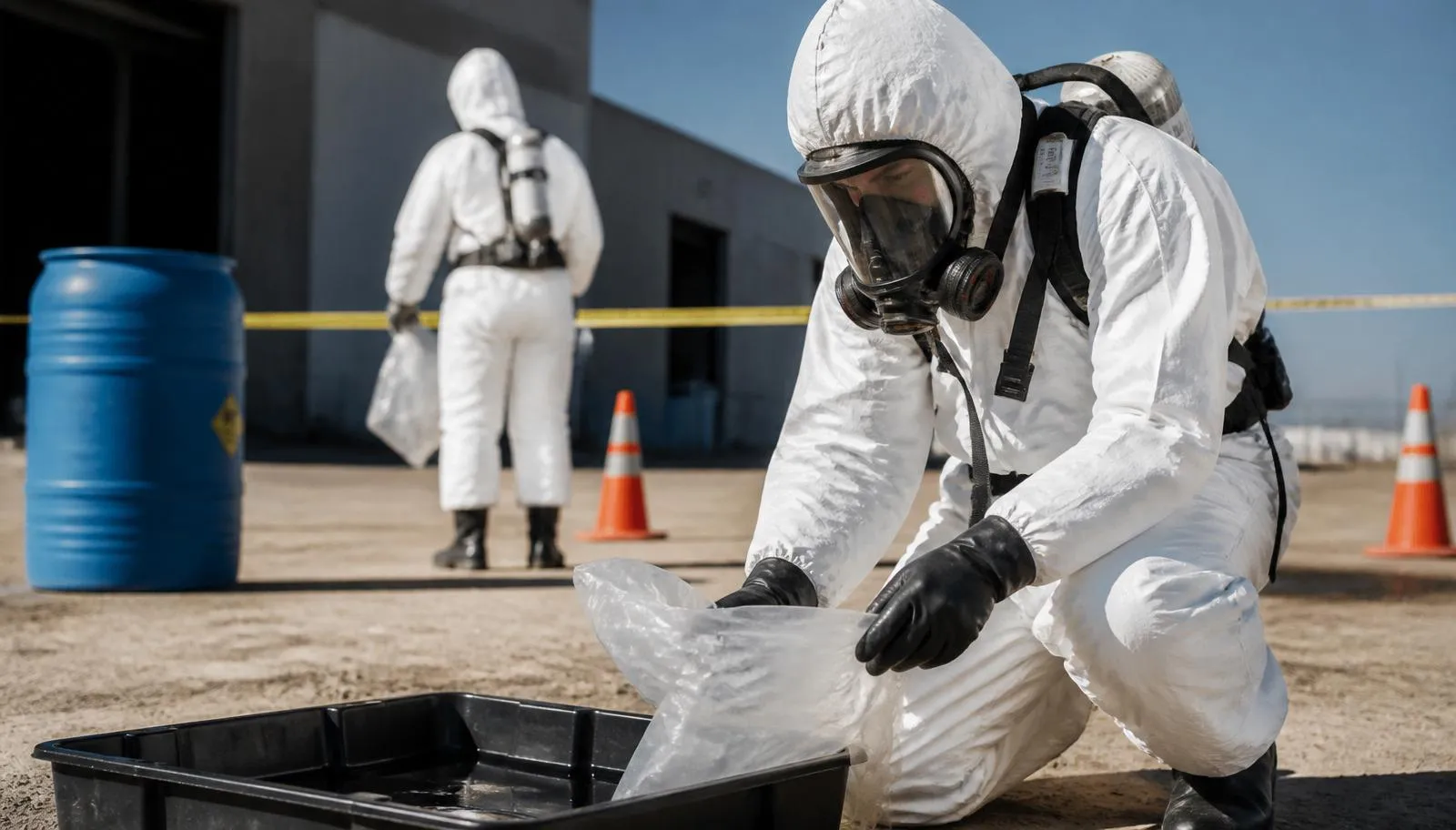
Hands-on instruction is not an optional add-on. Workers must practice with the protective equipment, monitoring instruments, and decontamination procedures they are expected to use in the field. Practical HAZWOPER program principle
A slideshow followed by a multiple-choice quiz does not provide the complete practical experience needed for employees who will perform hands-on hazardous-site or emergency-response work.
Employers can review Weinstein Safety Consulting’s workplace safety training services for help structuring role-specific instruction, hands-on exercises, refresher training, and competency documentation.
Common HAZWOPER Misconceptions
Online delivery can be used for appropriate portions of the classroom curriculum, but it does not replace the hands-on instruction and field experience required for covered employees.
A properly documented blended program can combine online lecture material with in-person practical instruction using the PPE, instruments, equipment, and decontamination procedures employees will encounter.
Long service does not eliminate refresher or competency requirements. Covered employees must maintain the required annual training or demonstration of competency regardless of how many years they have performed the work.
The emergency-response provisions can apply even when the employer is not a hazardous-waste cleanup contractor. The key issue is whether employees are expected to respond to an uncontrolled release or substantial threat of release of a hazardous substance.
Training is one component of HAZWOPER compliance. Depending on the operation, the employer may also need a written safety and health program, site-specific plans, medical surveillance, respiratory protection, exposure monitoring, emergency procedures, and coordinated recordkeeping.
Employer Responsibilities Beyond the Certificate
A HAZWOPER card in an employee’s personnel file does not establish complete compliance. The employer remains responsible for the system surrounding the training.
1 Written Safety and Health Program
The program should address the HAZWOPER hazards, responsible personnel, operating procedures, protective measures, emergency arrangements, and documentation requirements specific to the company’s work.
2 Site-Specific Training
General HAZWOPER instruction must be supplemented when employees enter a new site or project with different chemicals, processes, exposure routes, equipment, or emergency procedures.
3 Medical Surveillance
Covered workers may require baseline, periodic, and termination examinations based on anticipated exposure, respirator use, work duration, and emergency-response duties.
4 Respiratory Protection
When respirators are required, the employer also needs a compliant respiratory protection program with medical evaluations, fit testing, training, equipment selection, maintenance, and cartridge or canister controls.
5 Emergency Response Planning
Emergency roles, communication methods, protective actions, decontamination, medical support, evacuation, incident command, and coordination with outside responders must be clearly established.
6 Coordinated Recordkeeping
Training records, refresher dates, competency evaluations, medical clearances, fit tests, field experience, and site-specific instruction should be connected and quickly retrievable during an inspection or contractor audit.
Documentation should tell one consistent story. The employee’s classification, assigned task, medical clearance, respirator authorization, field experience, refresher status, and site-specific training should all support one another.
How Weinstein Structures HAZWOPER Training
Weinstein Safety Consulting builds HAZWOPER programs around the client’s actual operations rather than relying on a generic curriculum. The initial course is connected to the chemicals, protective equipment, instruments, work areas, and response duties employees will encounter.
Site-specific instruction is then developed around the individual plant, warehouse, yard, cleanup site, or project to which the crew is assigned.
For Phoenix West Valley manufacturers, warehousing operations, environmental services contractors, and Michigan industrial clients with remediation or legacy-site exposure, the program can integrate:
- A written HAZWOPER safety and health program
- Employee classification and training-level review
- Medical surveillance coordination
- Respiratory protection integration
- Hands-on equipment and PPE exercises
- Site-specific training documentation
- Annual refresher scheduling and tracking
- Records for OSHA, Avetta, ISN, or client prequalification reviews
Organizations needing broader assistance can also review Weinstein Safety Consulting’s workplace safety consulting services for written programs, OSHA compliance support, contractor vetting, inspections, and safety management guidance.
The value is not simply the certificate. The value is a complete program that accurately reflects the work, protects the employee, and survives scrutiny during an inspection or client audit. Phil Weinstein, CSP — Weinstein Safety Consulting
Frequently Asked Questions
Does OSHA accept online-only HAZWOPER training?
Online instruction may be used for appropriate classroom portions of a HAZWOPER program, but it does not replace required hands-on training, field experience, or practical demonstrations. Employees must be able to use the actual protective equipment, instruments, and decontamination procedures associated with their work. A blended format can be appropriate when the online and in-person portions are structured and documented correctly.
When is the annual HAZWOPER refresher due?
The eight-hour refresher should be completed within 12 months of the initial certification and every 12 months thereafter. Employers should track refresher dates alongside medical surveillance, respirator fit testing, site-specific instruction, and competency records so lapses are identified before the employee is assigned covered work.
What is the difference between 24-hour and 40-hour HAZWOPER?
The 40-hour level generally applies to workers who routinely perform hazardous-waste site work and may be exposed above applicable limits or required to wear respiratory protection. The 24-hour level is generally intended for employees who enter the site occasionally for a limited task and are unlikely to encounter significant exposure. The correct tier must be based on the actual assignment and anticipated hazards.
Do members of our spill-response team need HAZWOPER?
They may, depending on the nature of the release and the actions they are expected to take. An employee who recognizes a release and initiates the notification process may need Awareness-level competency. An employee who approaches the incident defensively to contain it from a safe distance may need Operations-level training. Employees who enter the hazard area to stop the release may require Technician or Specialist-level training.
Can an employee continue covered work after training expires?
Employers should not assign HAZWOPER-covered duties to an employee whose required refresher or competency documentation has lapsed. The appropriate corrective training should be determined before the employee returns to covered work, and the employer should document why the selected retraining approach is appropriate.
Ready for a HAZWOPER Program Review?
If your HAZWOPER classifications, training records, annual refreshers, or written program have not been reviewed against 29 CFR 1910.120 during the last year, addressing the gaps before an OSHA inspection or client audit can reduce both compliance risk and operational disruption.
Weinstein Safety Consulting works with employers across the Phoenix West Valley, Arizona, and Michigan to develop HAZWOPER programs that are practical, documented, and built around real operations.
About Phil Weinstein, MS, CSP
Phil Weinstein is the founder of Weinstein Safety Consulting. He is a Board-Certified Safety Professional with 32 years of experience supporting construction, manufacturing, warehousing, environmental services, and industrial employers across Arizona and Michigan. His work includes HAZWOPER compliance, written safety programs, respiratory protection, medical surveillance coordination, OSHA and MIOSHA inspection support, and contractor prequalification documentation.